


Why study in Norway
Share your new idea with us today
And leave the beginning of your education to us.
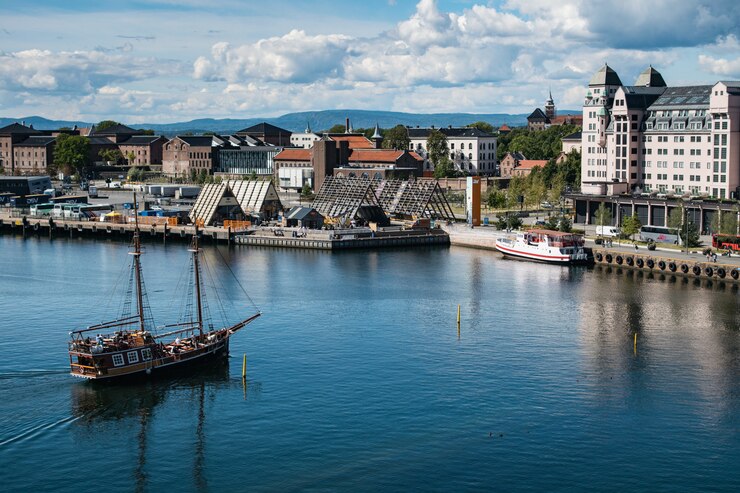
Norway provides a unique student experience, and Norwegian higher education institutions welcome applications from eligible students from throughout the world. In all areas of Norwegian education, internationalization is a top priority. Universities and university colleges are always attempting to make overseas students’ lives easier.
Norwegian schools provide a diverse selection of high-quality courses as well as a high level of flexibility, making them an ideal study destination. There are numerous chances for both exchange students and degree-seeking students to achieve their goals, ranging from vocational disciplines to postgraduate level.
You’ll also benefit from the relaxed atmosphere of Norwegian universities and colleges, where professors are approachable, and lessons are generally held in small groups. Students can often benefit from participating in intriguing research initiatives led by instructors.
Professors, lecturers, and administrative personnel at Norwegian universities are well-known for their “open-door” policy. They are both available and approachable to their pupils in order to ensure that they achieve the best possible learning outcomes.
Students at the graduate level are expected and encouraged to examine their teachers’ teaching as well as prevailing theories in their field of study. In the Norwegian “classroom,” critical thinking and the capacity to approach an issue in a variety of ways are valued abilities.
This learning tradition may be new to some international students, but it is frequently cited as a valuable feature of Norwegian education. When reflecting on their time as a student in Norway, many students cite this as one of their most memorable experiences.
Most master’s programs provided by Norwegian institutions last longer than two years. This gives students the opportunity to focus on their thesis for an entire year, allowing them to delve deeper into their topic of study.
English is used in a number of degree programs and courses. Non-native English speakers will notice an improvement in their English skills while studying in Norway, but native English speakers will not be bored. Norway’s society has a high degree of English proficiency, making it simple to study and live there.
The majority of higher education institutions in Norway are sponsored and owned by the government. The Norwegian government views universal access to high-quality higher education to be an important aspect of Norwegian society and allocates significant resources to the higher education sector. As a result, international students do not have to pay tuition fees at most universities.
Before applying, make sure you check with the university to see if they demand tuition payments. Consider that Norway is a high-cost country, and international students should budget for a sufficient amount of sustenance to pay their living expenses.